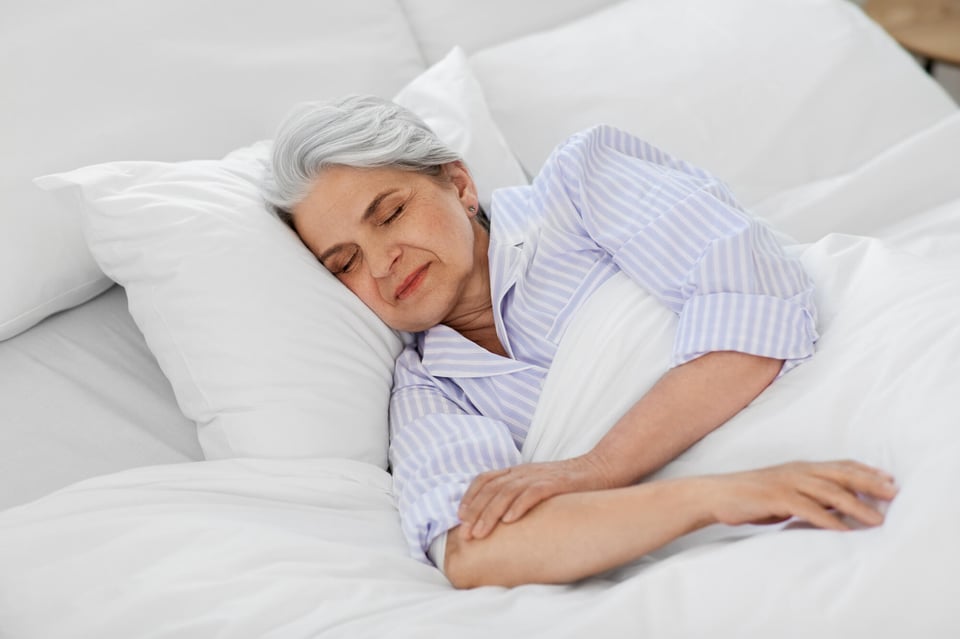
There's a correlation between sleep and heart health, as inadequate sleep can increase your risk of cardiovascular diseases. Improving your sleep environment and sticking to a schedule may benefit your overall aging and wellness.
According to the American Heart Association, one in three adults reports not getting adequate sleep regularly. Between 50 and 70 million Americans have chronic or ongoing sleep disorders. Many Americans, however, don't realize that sleep issues can compromise their cardiovascular health.
Yes, there is a connection between inadequate sleep and heart health. Getting fewer than seven hours of sleep each night may increase your risk of high blood pressure and type 2 diabetes. Diabetes can damage blood vessels, while high blood pressure can increase your risk for heart disease and stroke.
What are the top sleep tips for seniors, and how can you prioritize healthy aging during your retirement in Hermitage, PA? Read on to find out.
Can Lack of Sleep Cause Heart Palpitations?
Yes, a lack of sleep may trigger heart palpitations. Your heart may feel like it's:
- Skipping beats
- Pounding
- Fluttering
Consult a doctor if you experience heart palpitations or have trouble sleeping. A lack of sleep may cause palpitations due to:
- An increase in stress hormones like cortisol, which affect electrolyte levels
- Disrupted inflammation, blood pressure, or heart rate regulation, which puts stress on the heart
- Atrial fibrillation (AFib), or an irregular heartbeat
- High cortisol, which pushes magnesium into cells
Connecting Sleep and Heart Health
Getting enough sleep each night is associated with healthy aging. Failing to get enough sleep may increase inflammation throughout the body. Systemic inflammation may increase your risk of conditions like:
- High blood pressure
- Diabetes
- High cholesterol
These health issues are associated with an increased risk of heart attack and stroke.
A high sleep debt may increase cravings. You may start eating more or consuming unhealthy foods. Failing to follow a healthy diet may increase your risk of heart disease.
Sleep challenges can become more common as you age. You may suffer from a health condition that impacts sleep. Lifestyle factors that can keep you from getting adequate sleep include:
- Insomnia
- Taking certain medications
- Depression or anxiety
- Nocturia (getting up to pee during the night)
- Arthritis or pain from other chronic conditions
- Restless leg syndrome
- Sleep apnea
Sleeping gives the body ample time for rest and recovery. Otherwise, insufficient sleep can put a strain on the heart.
What Are the Top Sleep Tips for Seniors?
According to a National Sleep Foundation poll, only one-third of the American population reports getting eight hours of sleep each night. About 31% report getting six hours of sleep or less. Research has connected sleep deprivation with:
- Hypertension
- Coronary heart disease
- Diabetes mellitus
Getting adequate sleep may benefit your cardiovascular health while ensuring healthy aging. Try these sleep tips for seniors to get a good night's rest.
Stick to a Schedule
Schedule time for sleep. Go to bed at the same time each night.Ensure you get eight hours of sleep by waking up at the same time each morning.
Consistency can help your body maintain a healthy sleep-wake cycle. Avoid sleeping in, even on the weekends.
Taking long naps may interfere with your ability to fall and stay asleep at night. Limit your naps to no more than an hour.
Adjust Your Environment
Adjust your sleep environment to ensure the utmost comfort. Make sure your bedroom is:
- Dark
- Quiet
- Cool
To improve your environment, consider using earplugs, room-darkening shades, or a white noise machine. Exposure to light after sundown may keep you from falling asleep. Avoid using light-emitting screens before bedtime.
Eat a Healthy Diet
Try to minimize your intake of alcohol, caffeine, and nicotine. These substances may interfere with your ability to fall and stay asleep.
Instead, prioritize eating a healthy, balanced diet. You can find healthy dishes through your senior living community's dining program. Try to consume evening meals at least three hours before going to bed.
Exercise
Add physical exercise to your routine to promote rest and recovery. Exercising can benefit your heart health and help you fall asleep. You can find fun exercise classes on your senior living community's events & activities calendar, including:
- Tai chi
- Pilates
- Yoga
- Aerobics
- Water aerobics
- Swimming
- Walking or hiking
- Weight training
Try to avoid exercising right before bed. Otherwise, it may keep you awake.
Frequently Asked Questions
What Are the Best Sleep Aids for Heart Patients?
There's no one-size-fits-all sleep aid for heart patients. However, some of the most effective natural approaches include:
- Stress relief techniques
- Improving your sleep hygiene
- Maintaining a consistent sleep schedule
- Taking supplements like valerian root or melatonin
Maintaining a consistent sleep schedule can benefit your body clock (circadian rhythm). Try to go to bed at the same time each night and wake up at the same time each morning.
Develop a relaxation routine before bed.This can include stretching, drinking warm milk or chamomile tea, and deep breathing exercises.
Try to optimize your sleep environment. Keep your room dark, cool, and quiet. Consider moving into a senior living community to improve your living space.
How Much Sleep Do Seniors Need?
According to the National Institute on Aging, seniors need the same amount of sleep as all adults: between seven and nine hours. However, many seniors don't sleep well. If you're struggling to get adequate sleep, consider consulting a doctor to determine if there's an underlying cause.
Over time, failing to get enough sleep may increase your risk of:
- Diabetes
- Cardiovascular health issues
- High blood pressure
Prioritize Aging and Wellness in Hermitage, PA
To recap, what's the connection between sleep and heart health? Getting inadequate sleep may increase your risk of high blood pressure, high cholesterol, and diabetes. Improving your sleep health could reduce your risk and extend your longevity.
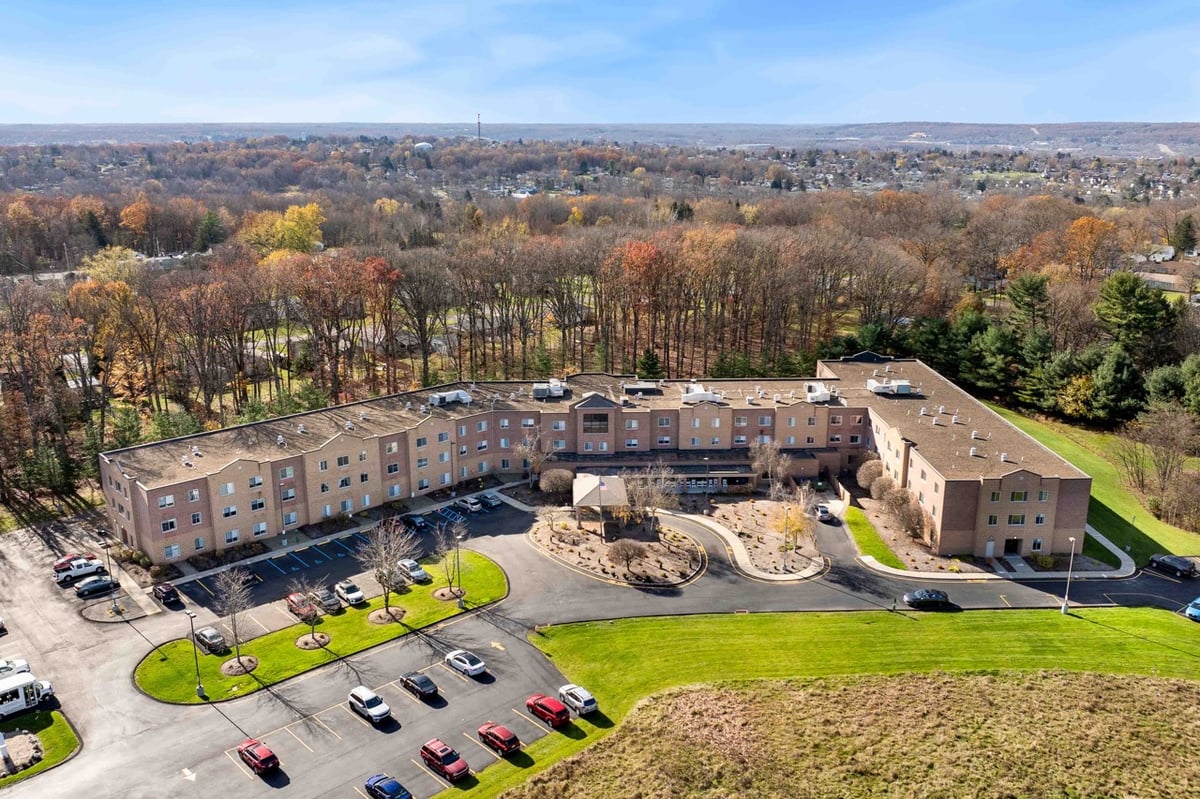
Remember, you can find more resources for healthy living through your Hermitage senior living community. Whispering Oaks is a newly renovated community designed to support comfort, connection, and peace of mind.
Discover our exclusive senior lifestyle programs, including engaging activities like bingo and educational courses, restaurant-style dining with attentive tableside service, and fitness classes like yoga. Contact us now to schedule your tour.