
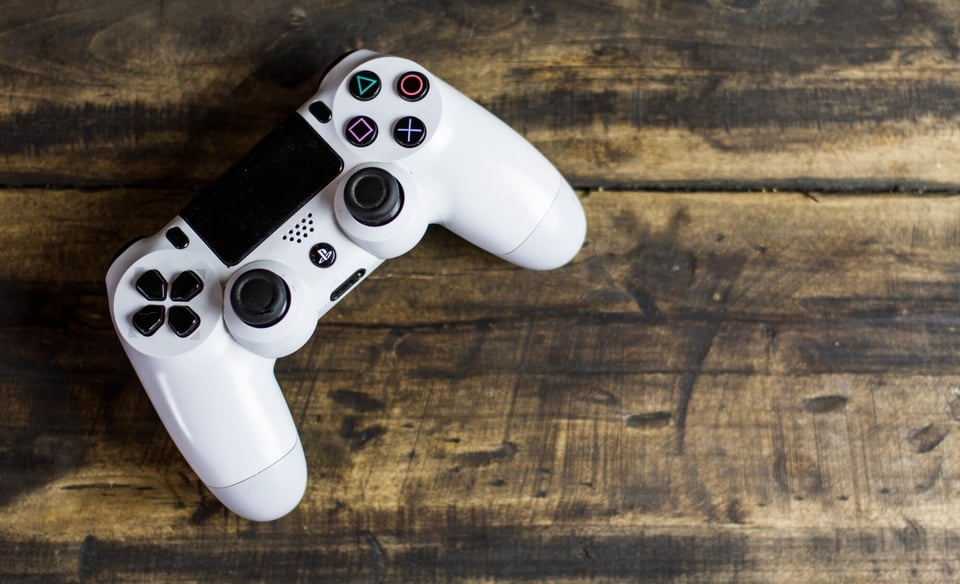
Are video games good for your brain? Yes, video games can benefit the aging brain when chosen thoughtfully. Many games encourage memory recall, strategic thinking, visual processing, and sustained attention, all while keeping mental effort engaging rather than draining. For seniors, the biggest gains come from games that feel intuitive, rewarding, and easy to return to.
It often starts with curiosity rather than intention. A tablet game recommended by a friend, a digital card game replacing a familiar deck, or a gentle brain-training app filling a few minutes between activities in Hermitage, PA.
Minutes stretch into focus, focus turns into a challenge, and challenge brings a quiet sense of accomplishment. Instead of mental strain, there's momentum. Instead of passivity, there's choice.
Is Gaming Good for Your Mental Health?
Brain games for seniors can support mental health in meaningful ways for seniors, especially when they are approached as a positive, low-pressure activity rather than a distraction.
Engaging gameplay encourages focus and presence, which helps quiet anxious thought patterns and reduces mental clutter. When attention is directed toward a clear task or goal, the mind gets a break from stress and rumination.
Gaming also supports emotional balance through small, consistent wins.
- Completing a level
- Solving a challenge
- Improving performance
Creates a sense of accomplishment that reinforces confidence and self-worth. These moments of progress matter, particularly for older adults navigating lifestyle changes or reduced independence.
Do Gamers Have Better Memory?
Video games often put repeated demands on memory, which can help keep focus support and memory skills active over time. Many games ask players to remember:
- Rules
- Patterns
- Locations
- Sequences
- Strategies
Sometimes across multiple sessions. This ongoing mental retrieval reinforces short-term and working memory, both of which tend to change with age.
For seniors, this kind of memory use feels practical rather than forced. Remembering where something was left off, anticipating the next step for mental wellness, or recognizing familiar challenges encourages the brain to stay organized and alert. Over time, these habits can support clearer recall in everyday situations, such as following conversations or keeping track of daily tasks.
The strongest benefits come from consistency and variety. Playing different types of games engages memory in multiple ways, preventing reliance on a single mental pathway.
Connecting Socially
Video games have become an unexpected bridge for social connection with technology and aging, especially for seniors who want interaction without pressure. Many games naturally encourage conversation, whether that means playing alongside a family member, teaming up with friends, or sharing progress and experiences with others. These moments of connection help keep communication skills active and support emotional well-being.
Social gaming also removes common barriers. Mobility limits or distance matter less when connection happens through a screen. Seniors can stay involved with grandchildren, reconnect with old friends, or build new relationships around a shared activity, all while remaining comfortable at home.
Even games played independently can spark social energy. Talking about favorite games or celebrating small achievements creates a sense of belonging.
Boosting Confidence
Confidence often grows through progress, and video games are built around visible improvement. For seniors, mastering controls, understanding game mechanics, or reaching a new level reinforces the feeling of capability. Each small success sends a clear message that learning and growth do not stop with age.
This sense of achievement can extend beyond the screen. When older adults see themselves adapting. and improving through play, they are more likely to approach other brain games for seniors with openness and self-assurance. Trying new technology, engaging socially, or exploring unfamiliar hobbies feels less intimidating after repeated positive experiences.
FAQs
Is It Good To Play Video Games Every Day?
Playing video games every day can be a positive habit for seniors when it is done with intention and balance. Short, regular sessions help keep the brain engaged through problem-solving and attention without causing mental fatigue. Daily play works best when games feel enjoyable and appropriately challenging rather than stressful or overwhelming.
The benefits increase when gaming fits into a varied routine. Mixing video games with movement, social interaction, creative activities, and rest supports overall brain health and emotional well-being. When screen time stays moderate, and the activity encourages curiosity instead of frustration, daily gaming can be a healthy, sustainable way to stay mentally active as you age.
What Are the 4 Types of Gamers?
The four commonly recognized types of gamers are Achievers, Explorers, Socializers, and Competitors, a framework often used to explain why people enjoy games in different ways. Achievers are motivated by goals, progress, and completing levels or challenges.
Explorers enjoy discovery, learning rules, uncovering new areas, and understanding how a game works. Socializers are drawn to connection, conversation, cooperation, and shared experiences with others while playing. Competitors focus on testing skill, improving performance, and measuring success against the game itself or other players.
What Is the 20 20 20 Rule for Gaming?
The 20-20-20 rule is a simple guideline designed to reduce eye strain during screen-based activities, including gaming. Every 20 minutes, you pause and look at something about 20 feet away for at least 20 seconds. This short visual break allows the eye muscles to relax and helps prevent dryness and fatigue.
For seniors, the rule is especially helpful when playing video games regularly. Pairing these brief eye breaks with gentle stretching or a quick posture reset keeps gaming comfortable and sustainable, allowing the brain to stay engaged without unnecessary physical strain.
Are Video Games Good for Your Brain? Now You Know
Are video games good for your brain? The right ones can be.
At Whispering Oaks, mental engagement is part of everyday living, not an extra. Residents gather in the game room for cards and digital games, relax in the library, enjoy movie nights in the theater, and take part in a full calendar of enriching activities designed to keep minds active while preserving independence.
With newly renovated apartment homes, three homestyle meals prepared daily, and supportive services available as needs evolve, Whispering Oaks makes it easy to stay sharp and connected. Call today and discover independent senior living in Hermitage that truly supports both comfort and cognitive wellness.